


jjilivip | Exploring the Thrills and Challenges of Strategy Games
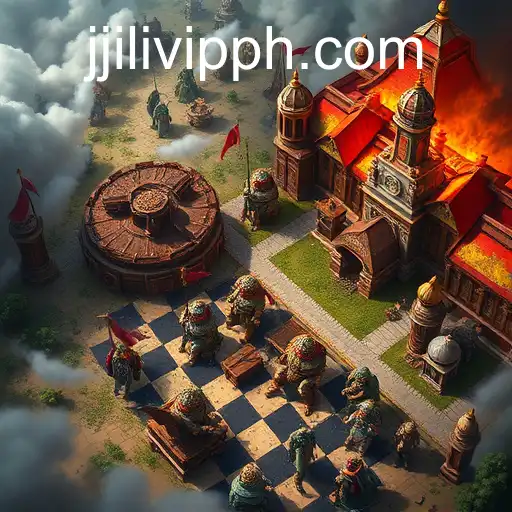
Strategy games have long captivated gamers with their unique blend of intellectual challenge, creativity, and tactical prowess. From board games like chess to modern digital endeavors, strategy games encompass a wide array of subgenres catering to diverse tastes and skill levels. Fundamentally, these games require players to employ resource management, long-term planning, and quick decision-making to achieve victory.
The modern era of digital strategy games began with classics like 'Civilization' and 'StarCraft,' which set the bar high with their intricate mechanics and compelling gameplay. The ability to control entire civilizations or engage in intergalactic battles was groundbreaking, introducing a new kind of interactive storytelling that engaged players on multiple levels. The genre continued to evolve with titles like 'Age of Empires' and 'Total War,' which expanded on historical contexts and allowed players to rewrite history on their own terms.
One of the intriguing aspects of strategy games is their educational potential. Games like 'SimCity' and 'The Settlers' challenge players to manage resources, budgets, and urban planning, often mirroring real-world scenarios. This can help improve problem-solving skills and strategic thinking, providing an enriching experience beyond mere entertainment.
Strategy games come in various forms, including Turn-Based Strategy (TBS), where players take turns making decisions, and Real-Time Strategy (RTS), demanding quick thinking in a continuously evolving scenario. Popular examples include 'Heroes of Might and Magic' for TBS enthusiasts and 'Command & Conquer' for RTS fans.
The online multiplayer aspect of strategy games has recently added another layer of complexity and fun. Games like 'League of Legends' and 'Dota 2' have taken strategy to new heights, emphasizing teamwork and tactical coordination. These games are now at the center of competitive esports, attracting millions of viewers and players worldwide.
In conclusion, the allure of strategy games lies in their ability to simulate endless possibilities where players can build, conquer, and strategize their way to success. Whether it's managing empires or engaging in strategic battles, these games continue to challenge and entertain, making them a timeless and ever-evolving genre.
